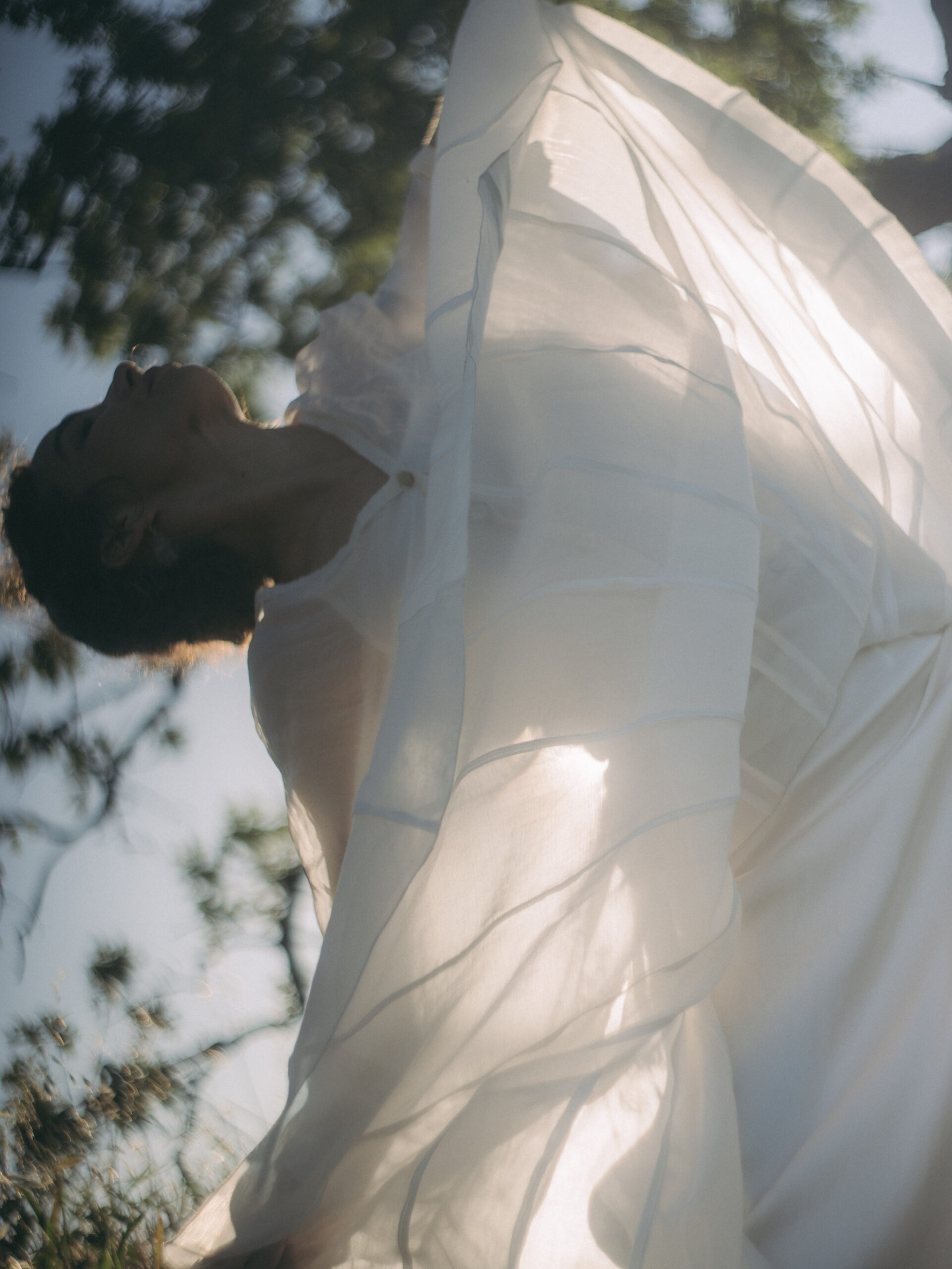
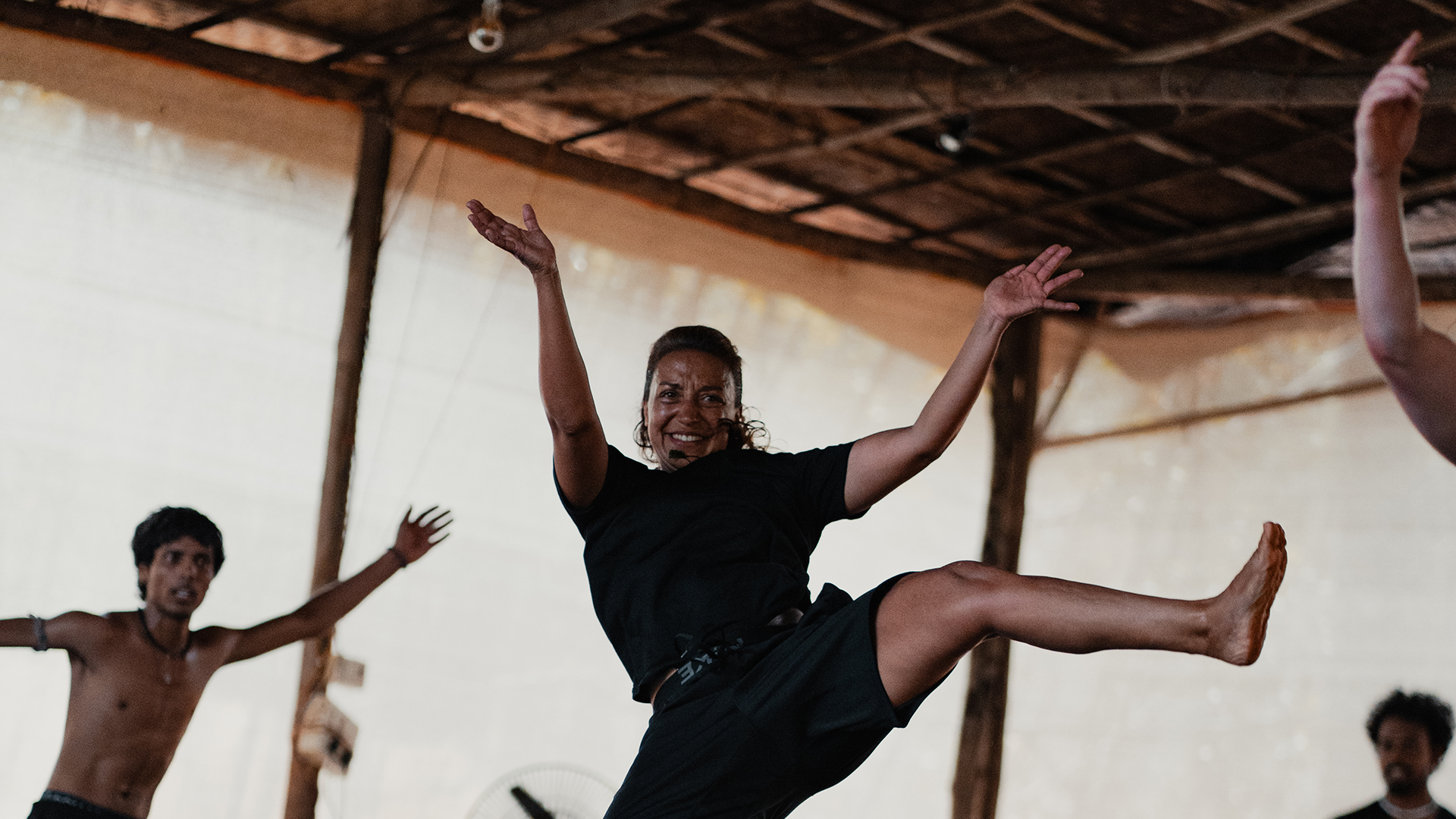
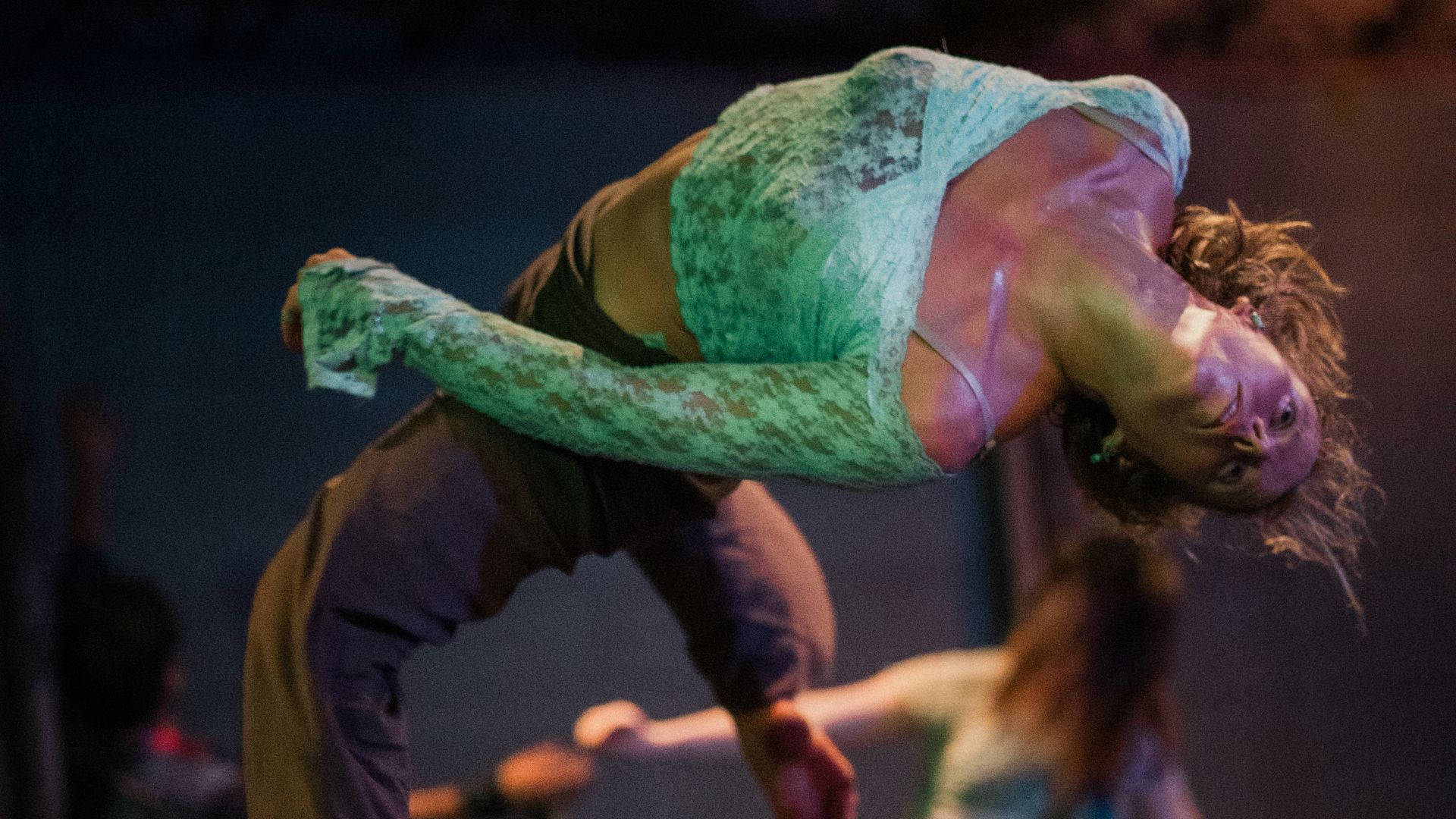
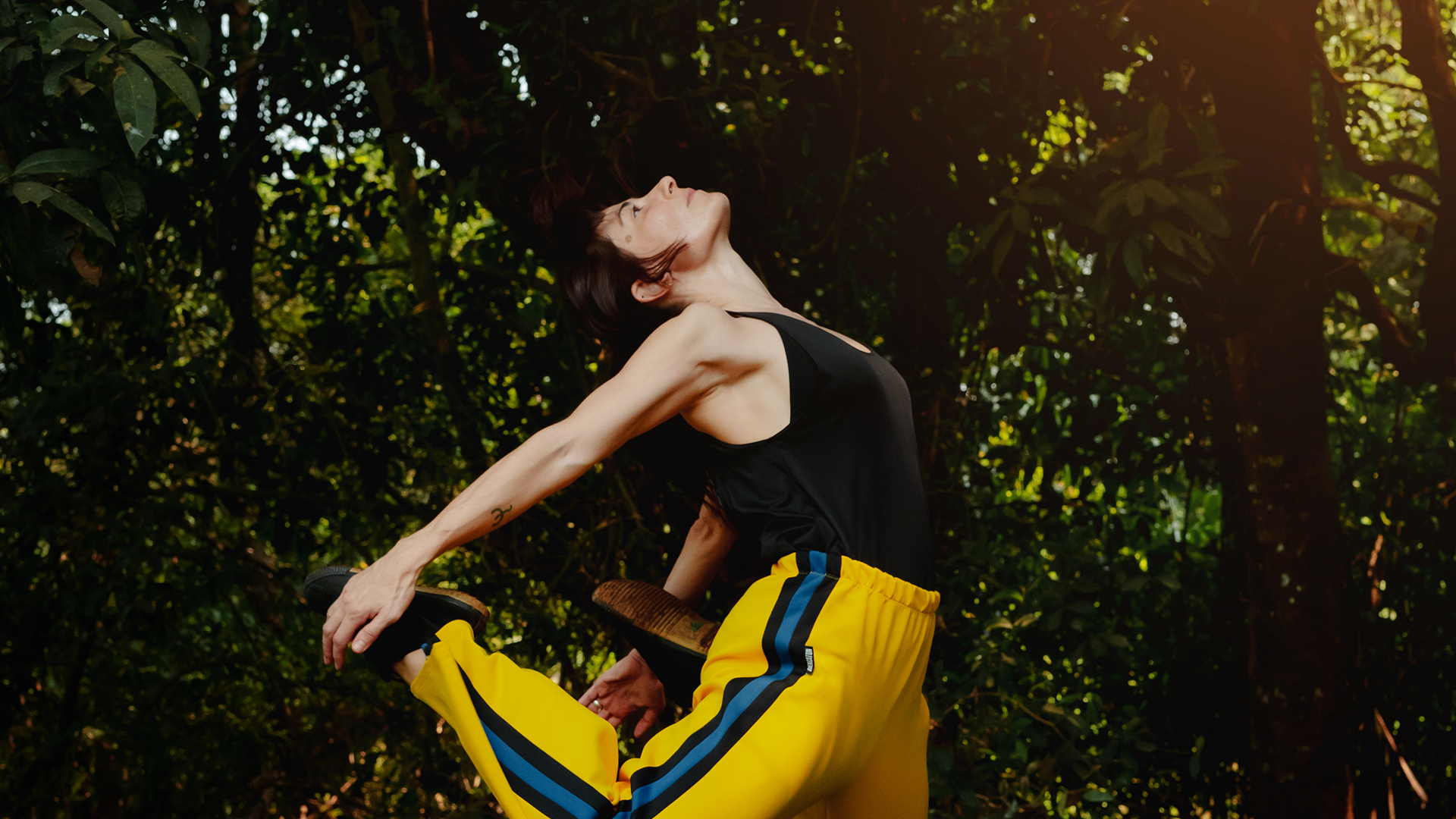
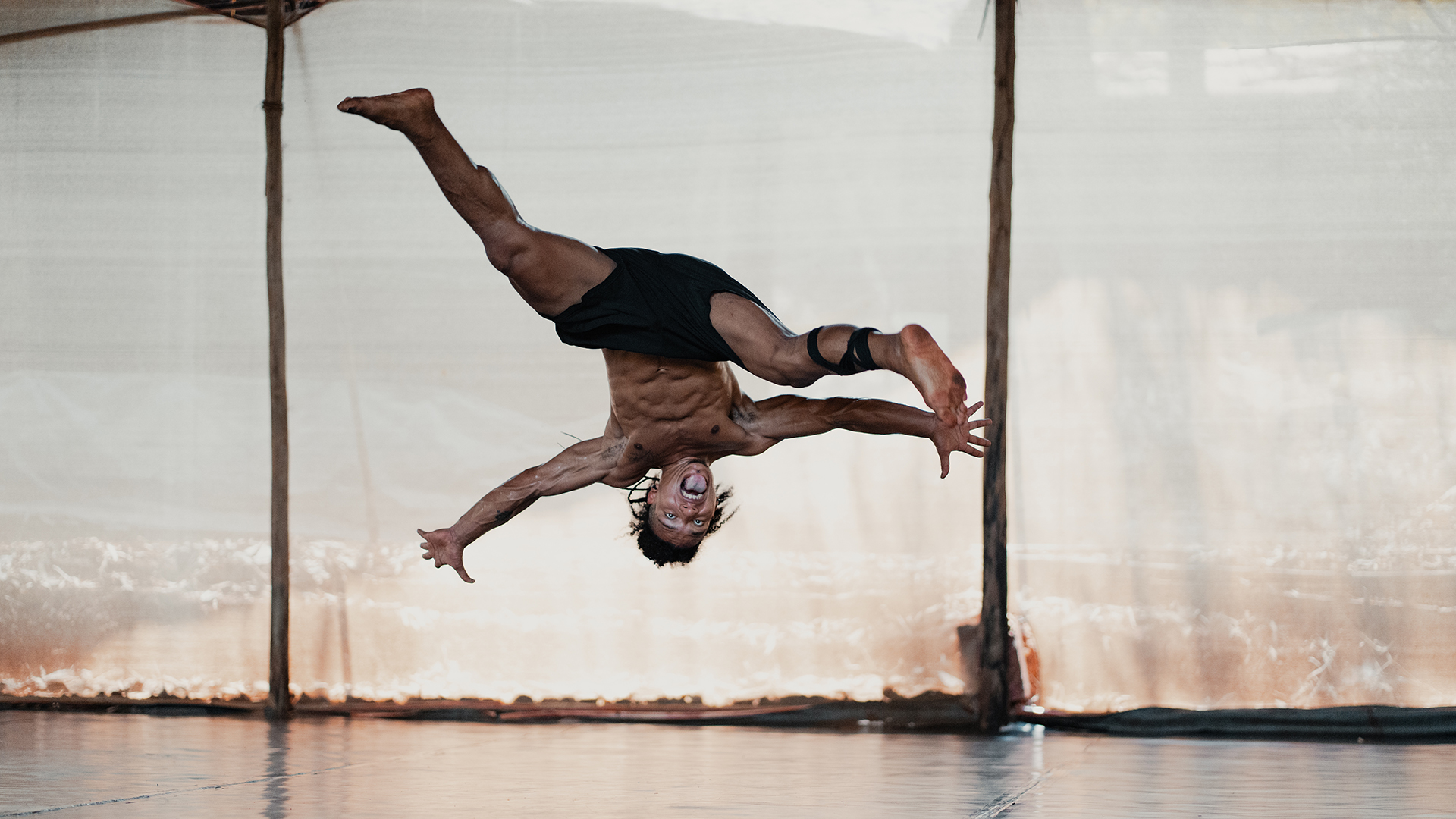
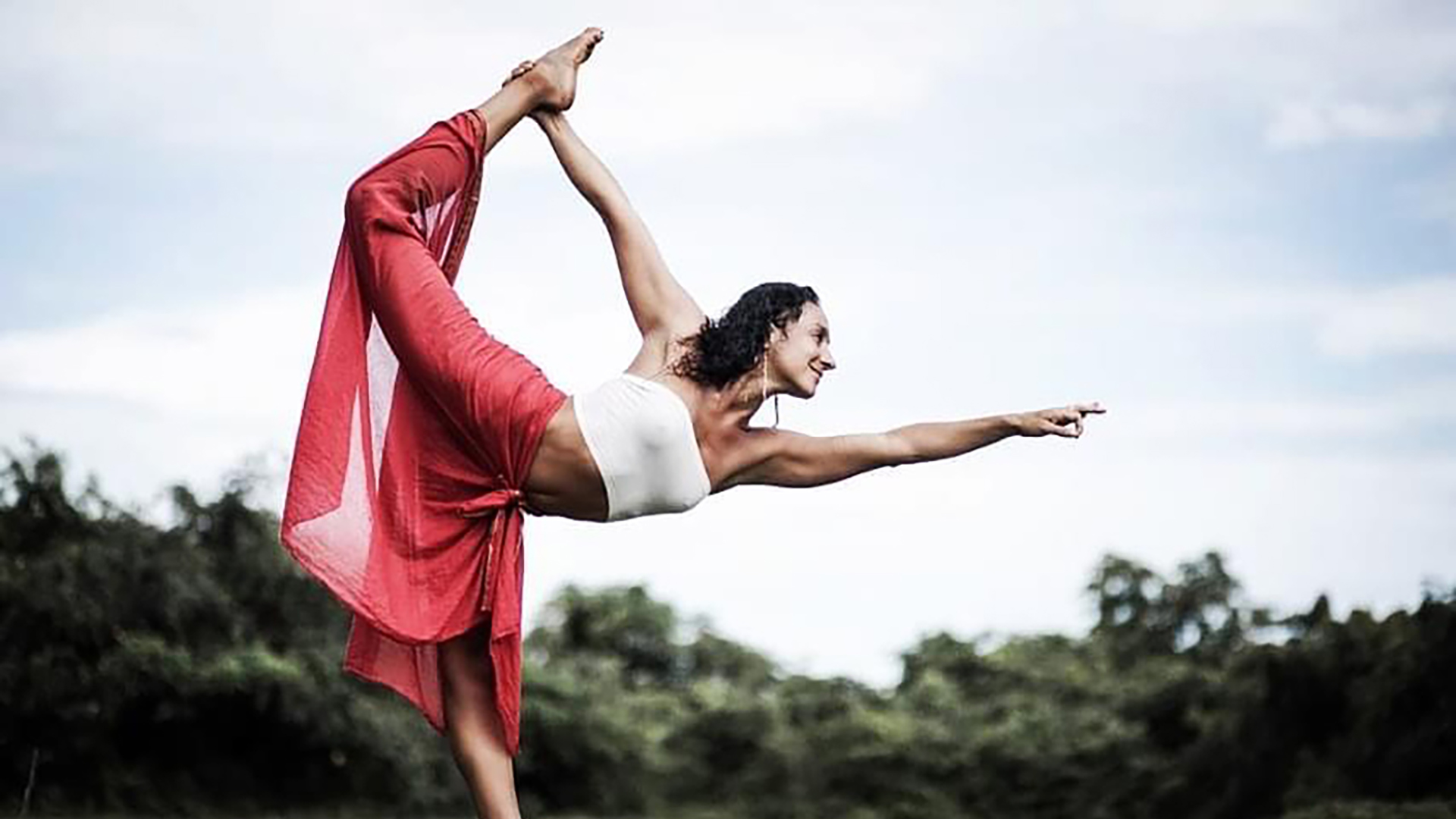
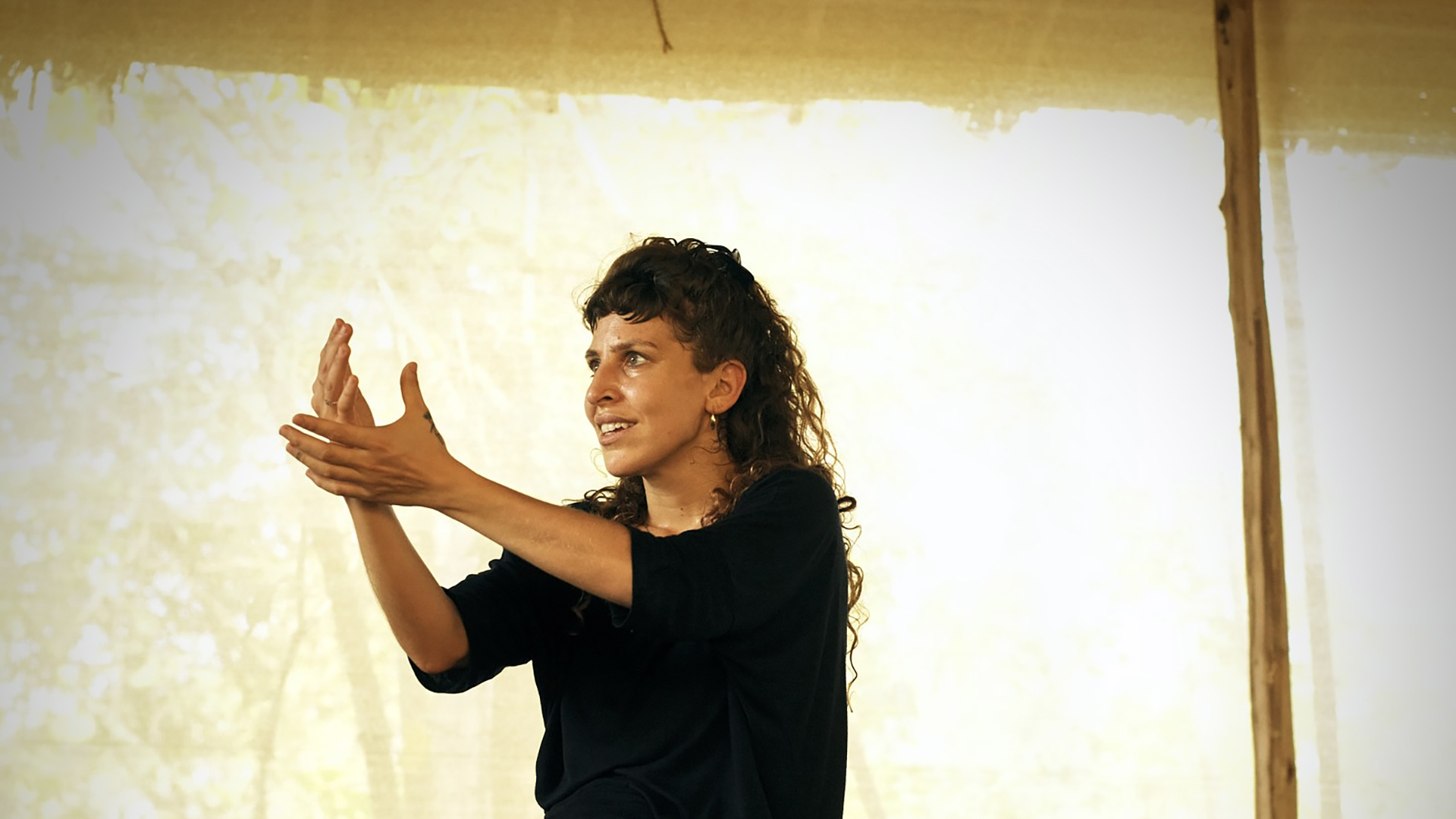
Olga Sokolova is a movement artist, choreographer, educator, and the founder of MIDLGROUND Movement Practice—an integrative approach that bridges somatic awareness, internal martial arts, biomechanics, functional mobility, and creative movement research.
Her movement journey began in early childhood through rhythmic gymnastics before expanding into classical ballet and contemporary dance. Training internationally in Europe and the United States, Olga received two scholarships and studied dance, choreography and performance arts at Cinevox – international school of contemporary dance in Switzerland and Musical and Dramatic Academy in Los Angeles. While these disciplines shaped her technical foundation, her deeper inquiry eventually led beyond performance and aesthetics toward the body’s innate intelligence and natural language of movement.
For more than a decade, Olga has immersed herself in the study of Tai Chi, Qigong, meditative movement, and functional natural human movement. She has trained extensively with traditional teachers while also studying contemporary movement science at Dr. Andreo Spina School, specializing in Functional Range Conditioning (FRC), Kinstretch, joint longevity, and nervous system regulation. This unique combination of ancient wisdom and modern science forms the foundation of her work.
Rather than teaching movement as something to be imposed upon the body, Olga guides people toward movement that emerges from listening. Her work explores presence before performance, sensation before shape, and coherence before complexity. She believes that true athleticism is expressed through rhythm, timing, coordination, adaptability, and an intimate relationship with one’s own body.
Olga’s choreography and movement direction have been featured on the stages internationally, in film, fashion, music industry and commercial productions, including work as Movement Director for Star Wars “Obi-Wan Kenobi” Her artistic work has also been recognized for its distinctive fusion of contemporary movement with the principles of internal arts.
The Journey Into Embodied Harmony
Morning Practice: The Biomechanical Intelligence of the Body
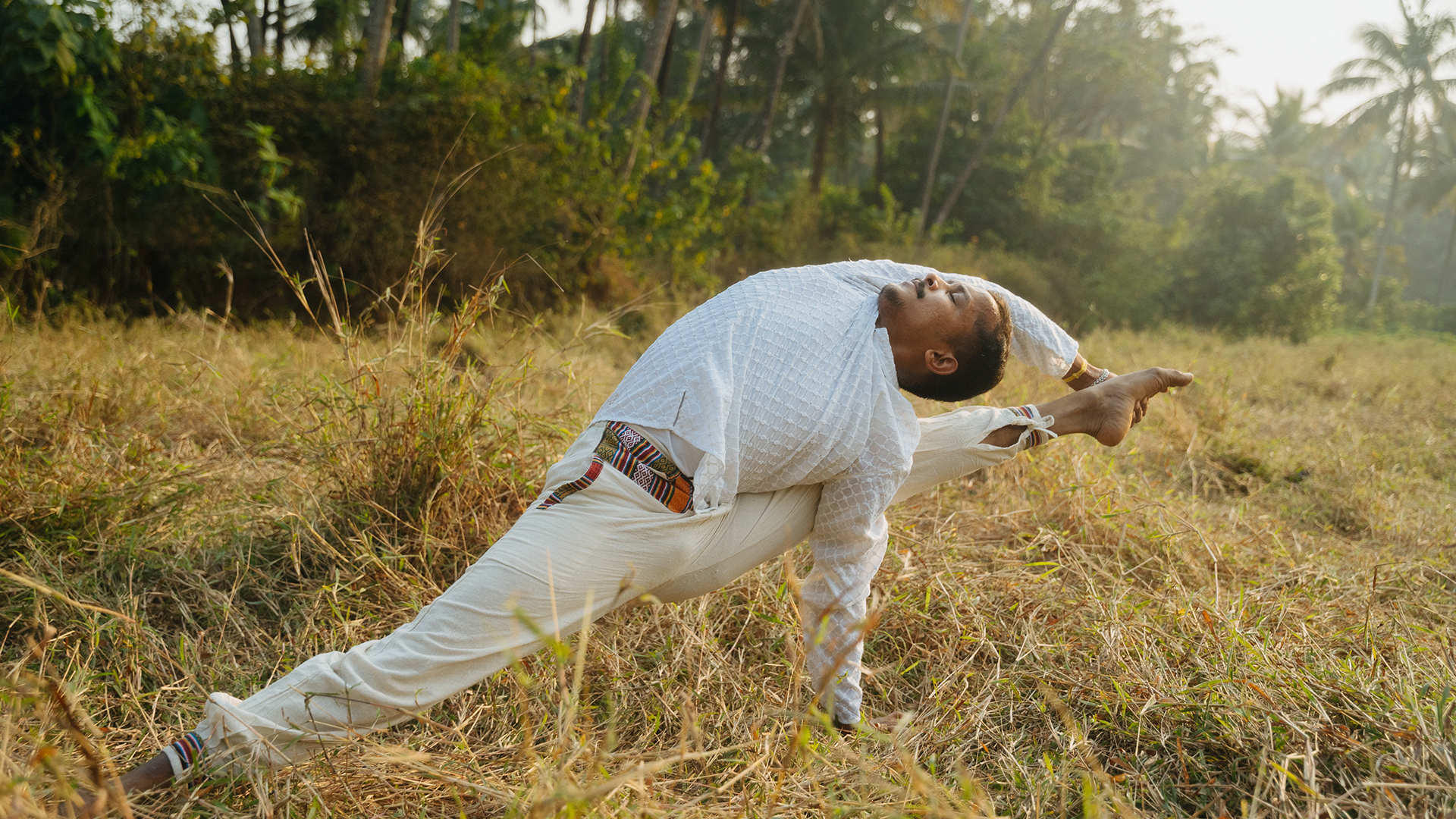
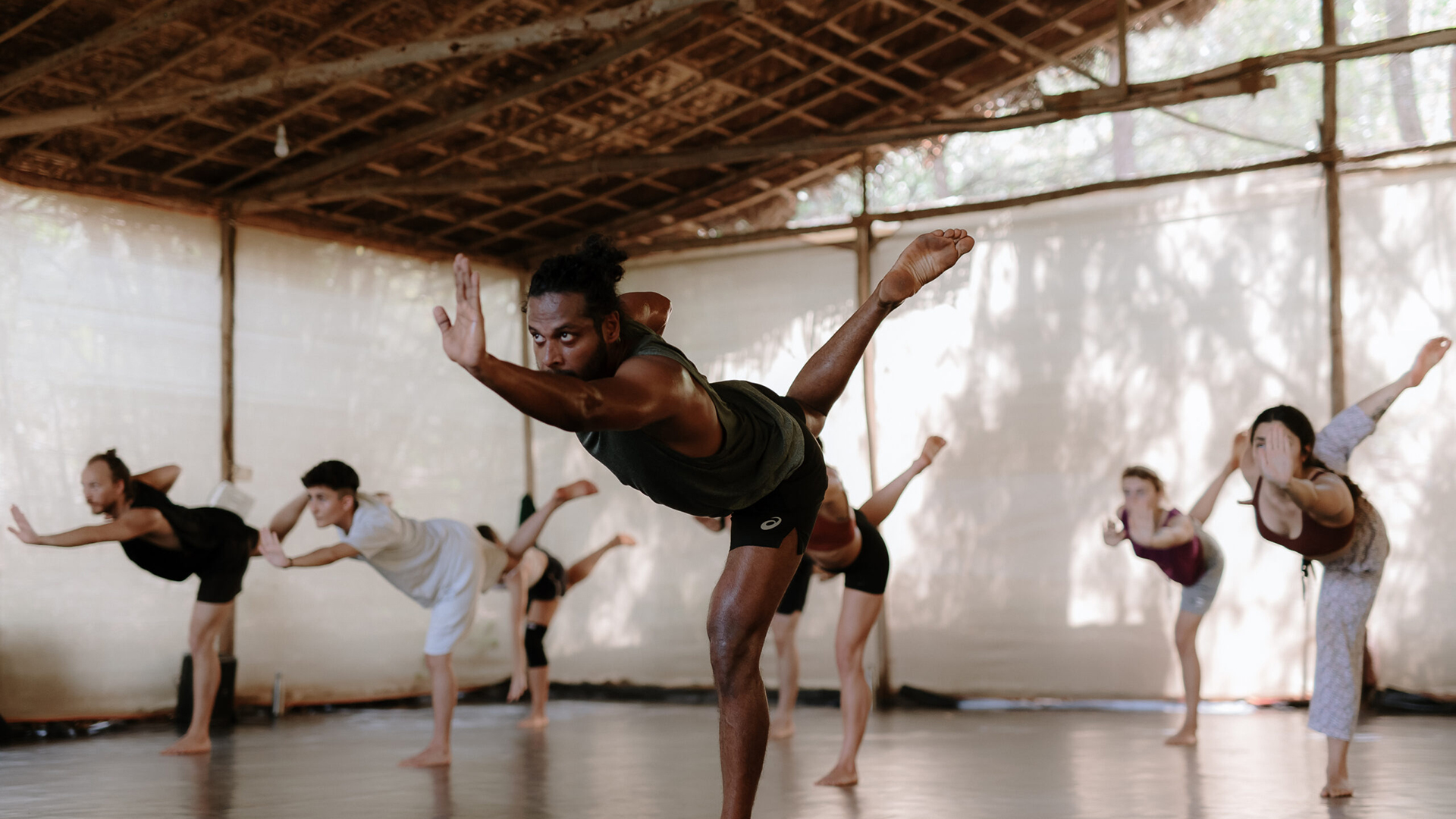
Discover the living architecture of your body; its joints, connective tissues, fascia, and the innate intelligence that weaves them into a coherent whole. Through an exploration of natural movement patterns, energy flow, and the dynamic balance of yin and yang, we cultivate harmony from within rather than imposing it from the outside.
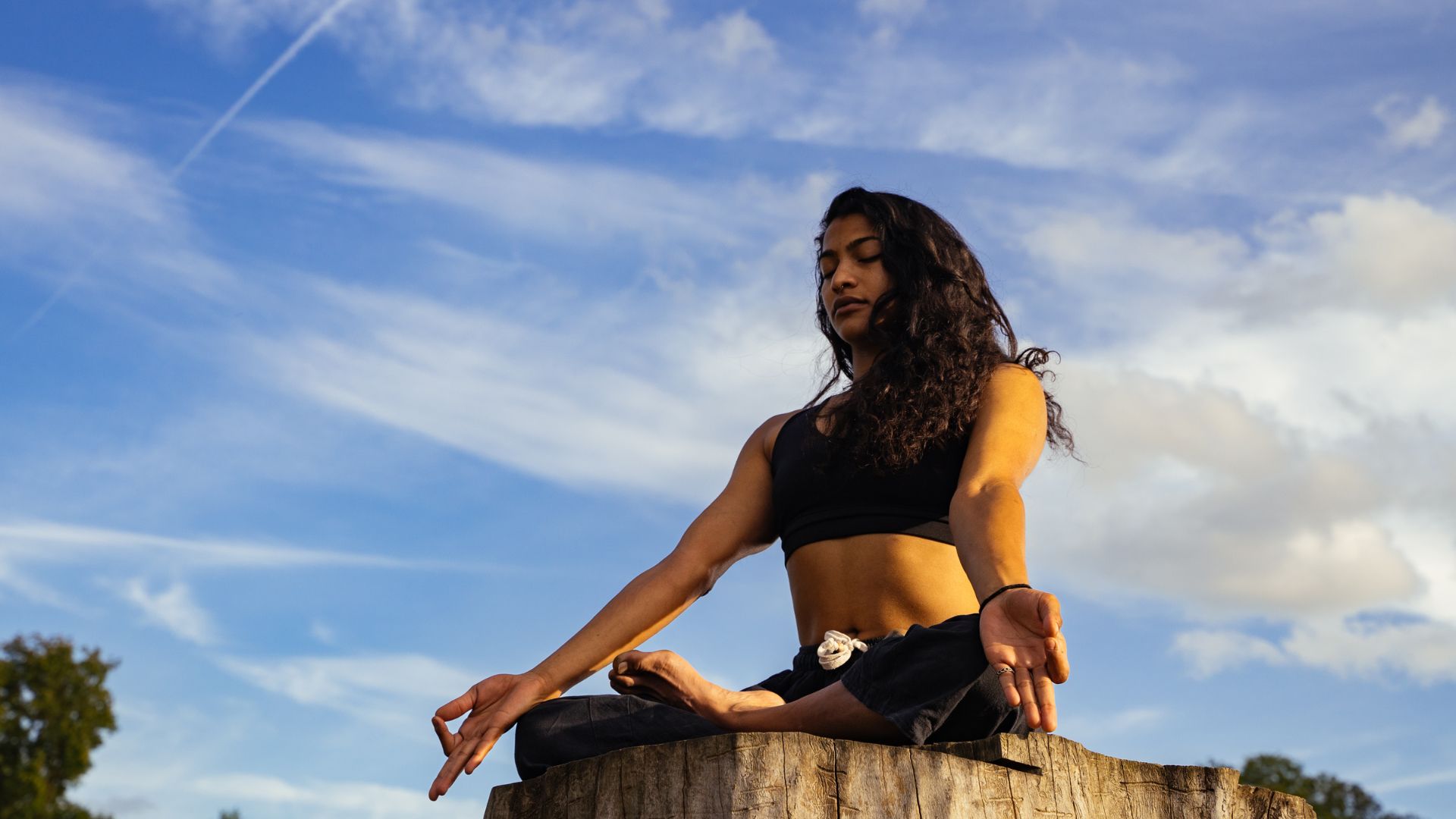
Our mornings are dedicated to awakening the body’s inner spaces through wave movement;a gentle yet profound somatic exploration that reveals the body’s natural pathways of motion. Inspired by Qigong and Tai Chi, these slow, fluid practices restore internal balance, awaken subtle energy, and reconnect you with the organic rhythms of breath, gravity, and presence.
A coherent body is a rhythmical body. True athleticism cannot be measured by force or speed alone, but by timing, rhythm, and coordination. When the body moves in harmony with itself, effort gives way to efficiency, and power emerges naturally. Through slow, conductive flow, we cultivate the foundations of coherence from which all movement can grow.
Afternoon Practice: Embodied Intelligence
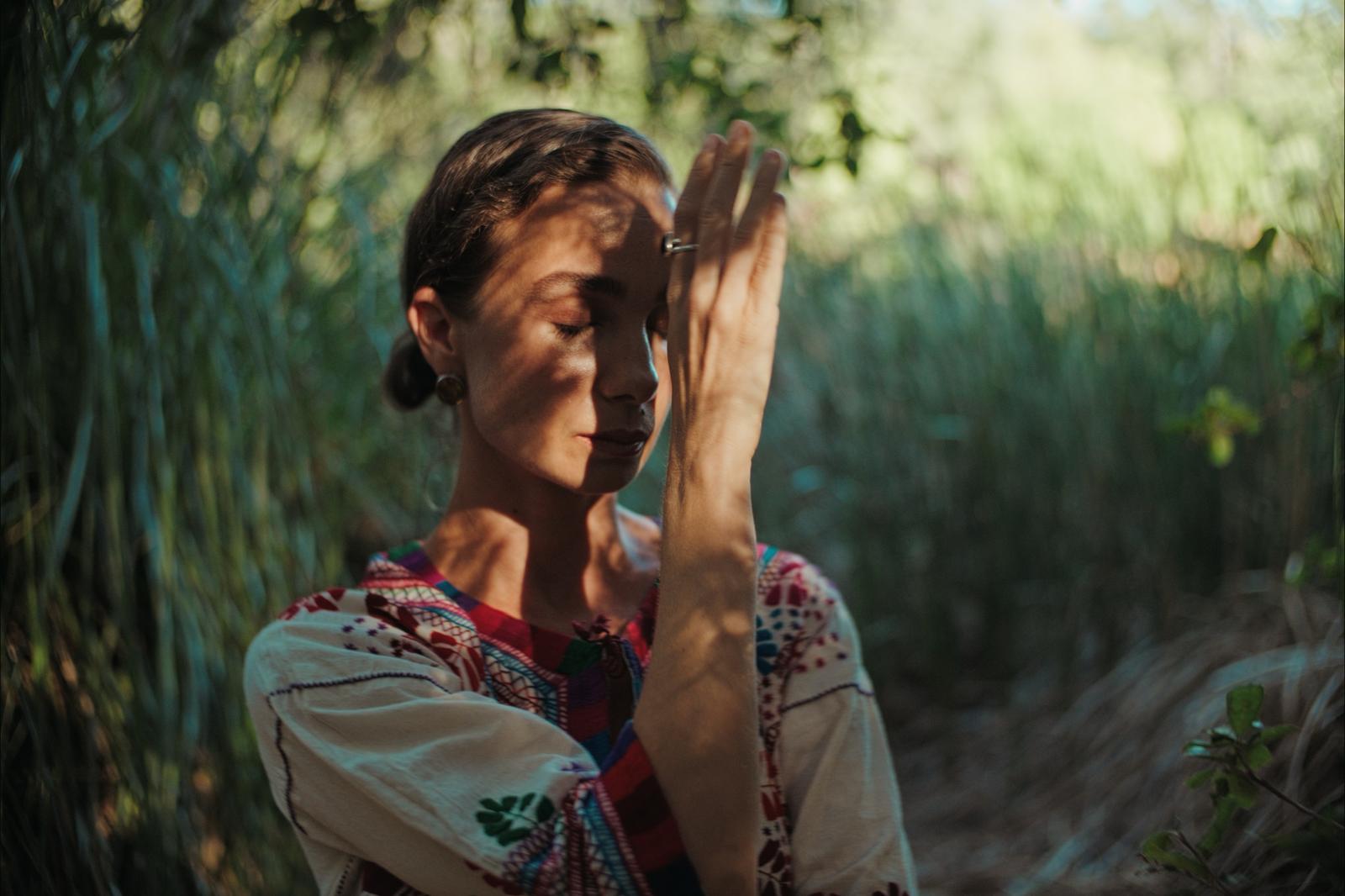
As the day unfolds, we expand from internal awareness into embodied expression. The afternoon sessions are dedicated to sensory intelligence, creativity, and the body’s innate capacity to adapt, communicate, and create.
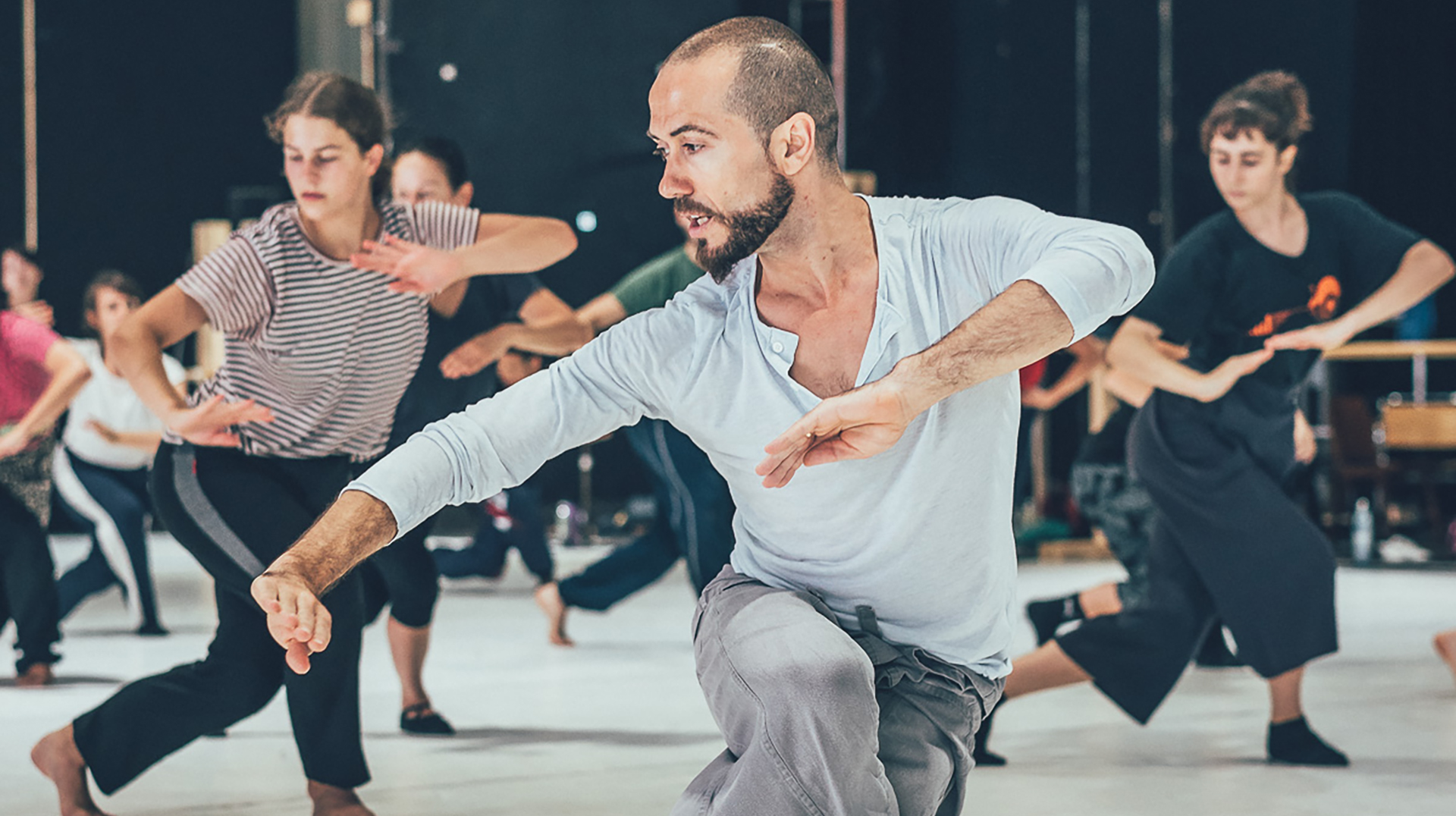
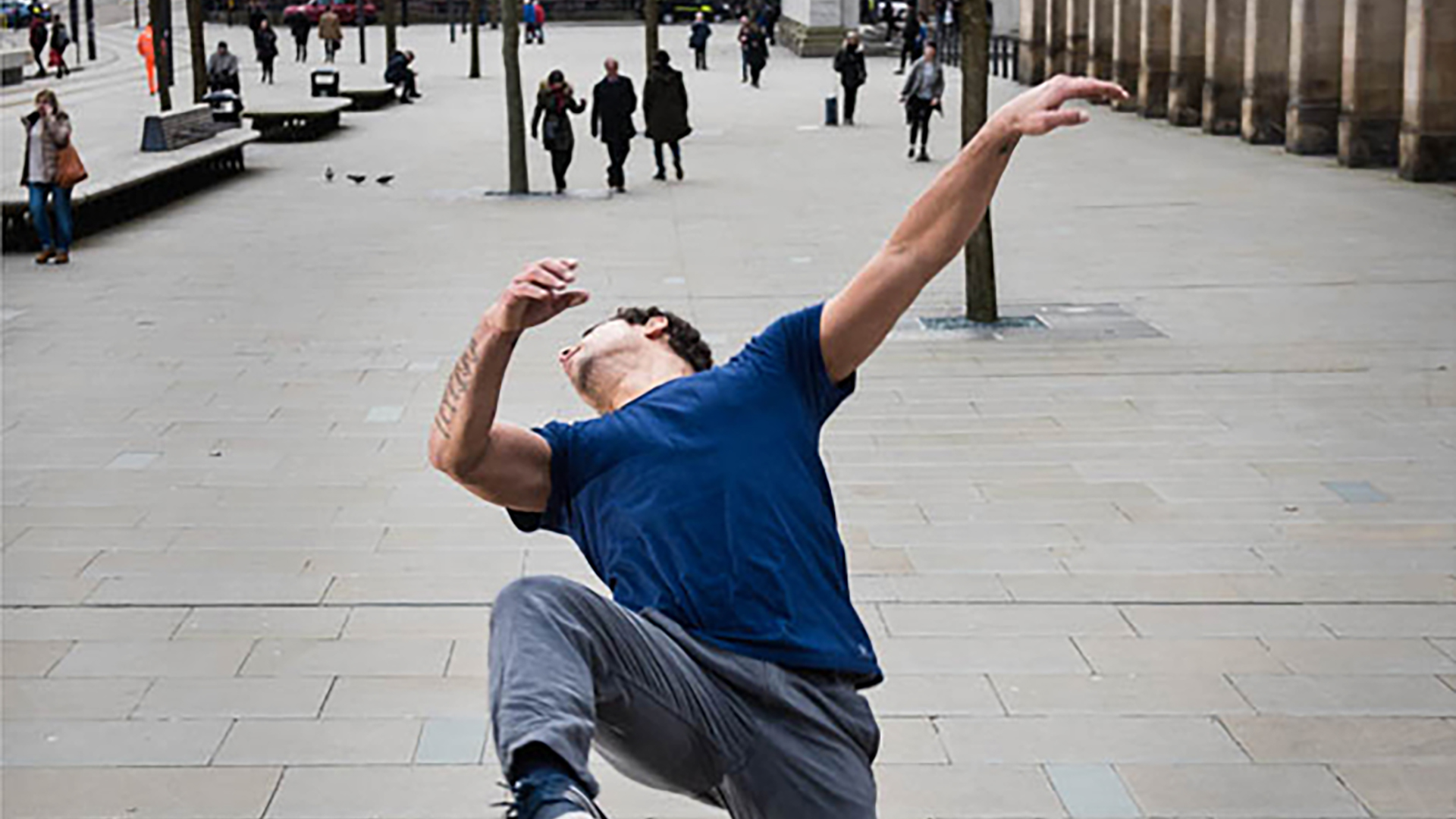
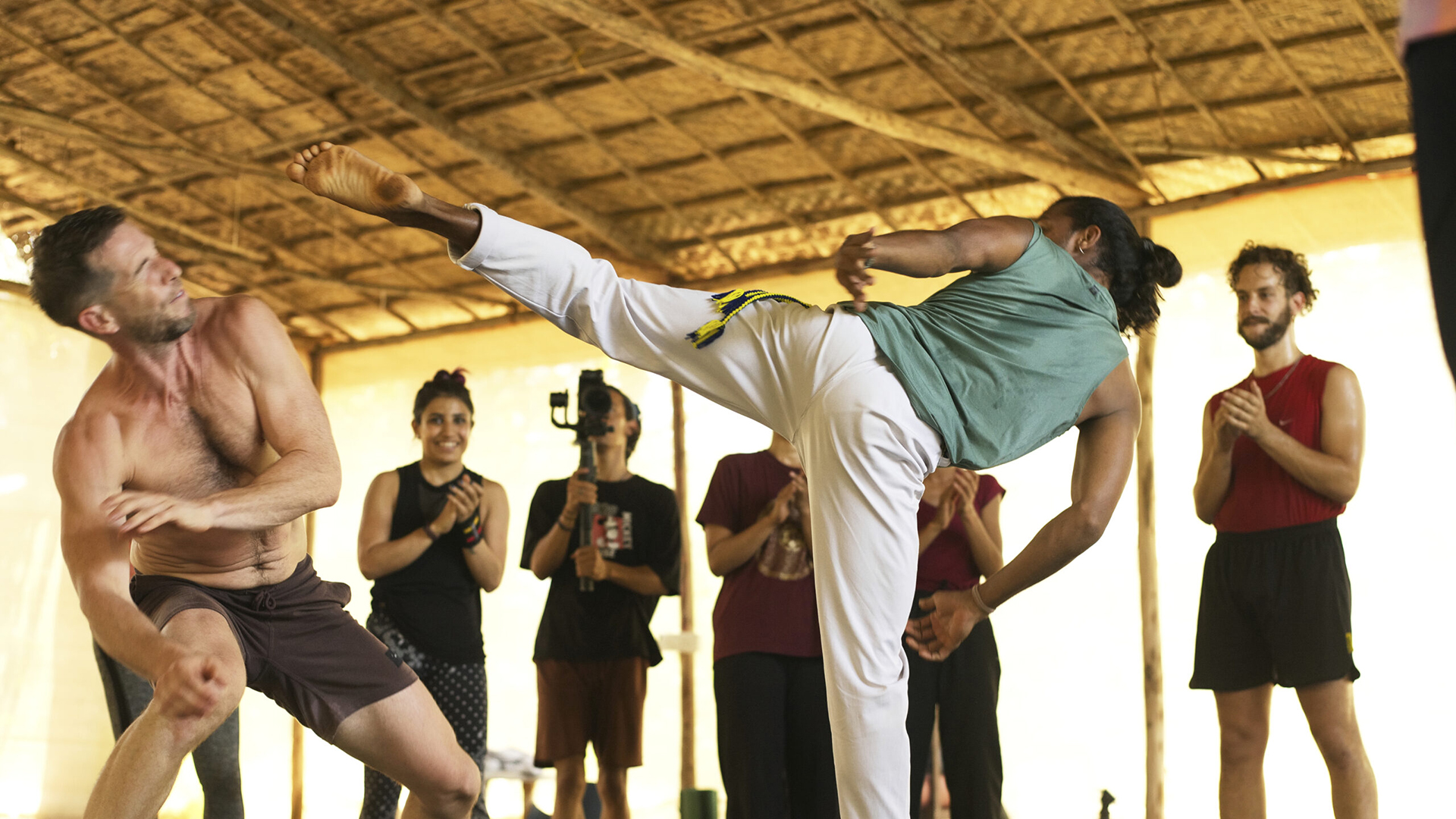
Here we explore the full spectrum of movement: dynamic rhythmic progressions, creative improvisation, partner exploration, and collective choreographic research. Life is not made of one quality alone and neither is movement. Stillness and dynamism, softness and strength, structure and freedom all belong to the same living language.
Each quality reveals a different intelligence of the body. Together, they cultivate coherence, adaptability, presence, and freedom.
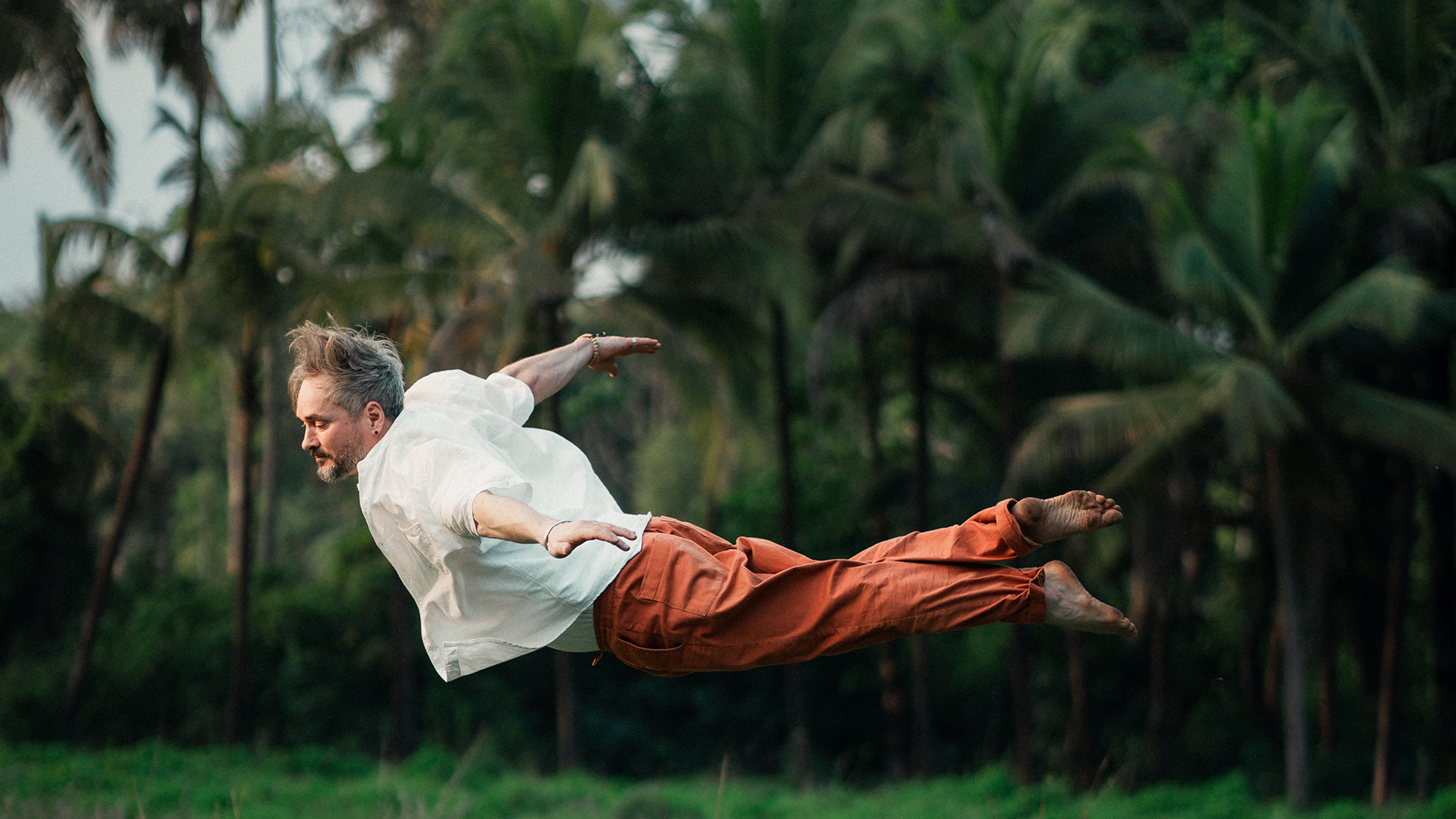
Rather than accumulating techniques, we learn to trust the body’s own intelligence, to move with greater sensitivity, efficiency, and authenticity. This is not simply the practice of movement, but a practice of becoming more deeply embodied, where biomechanics meets intuition, and structure becomes the foundation for genuine creative expression.